Best Fruit Vinegars for Commercial Kitchens: 5 Game-Changing Flavors That Will Elevate Every Dish
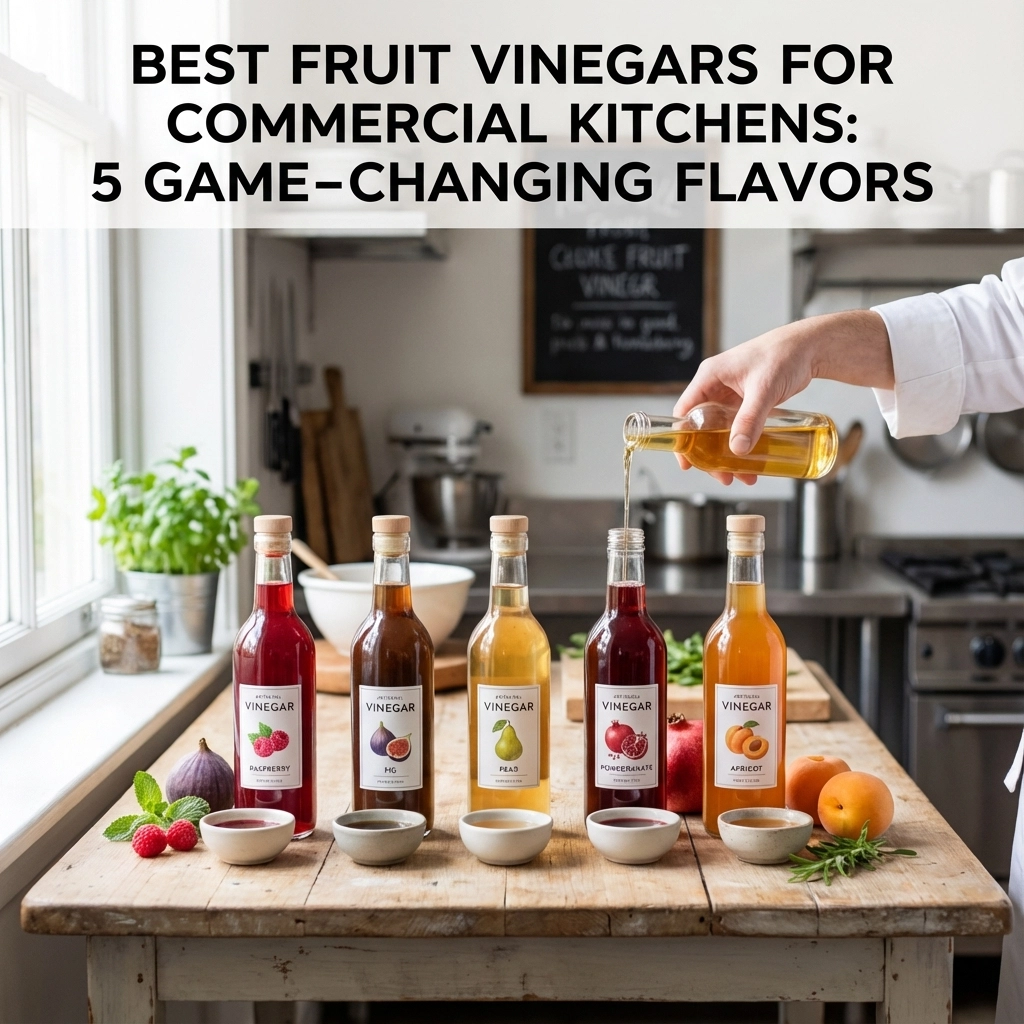
Commercial kitchens are increasingly turning to premium fruit vinegars as natural food ingredients for foodservice operations, with 73% of restaurants reporting that unique flavor profiles directly impact customer satisfaction and repeat business. As clean label demands continue reshaping foodservice menus, the best fruit vinegars offer commercial operators a strategic advantage: delivering complex flavors that elevate dishes while meeting consumer expectations for sustainable ingredients.
The global specialty vinegar market, valued at $1.2 billion in 2024, shows fruit vinegars leading growth in the foodservice sector. Professional chefs recognize these premium ingredients as cost-effective flavor enhancers that can transform ordinary preparations into signature dishes, making them essential additions to any serious commercial kitchen.
Understanding Fruit Vinegars in Professional Settings
Fruit vinegars differ fundamentally from traditional wine vinegars in their production methods and flavor complexity. Made through controlled fermentation of specific fruits, these vinegars retain natural fruit essences while developing the acidity levels essential for commercial food safety standards. Most premium fruit vinegars maintain pH levels between 2.5-3.2, making them ideal for marinades, dressings, and preservation applications in busy commercial environments.
The concentration of these vinegars means a little goes far: typically 30% less volume needed compared to standard vinegars: making them economically viable despite higher upfront costs. For restaurants operating on tight margins, this efficiency translates to better cost per serving while delivering premium flavor experiences.
The Five Game-Changing Fruit Vinegars for Commercial Success
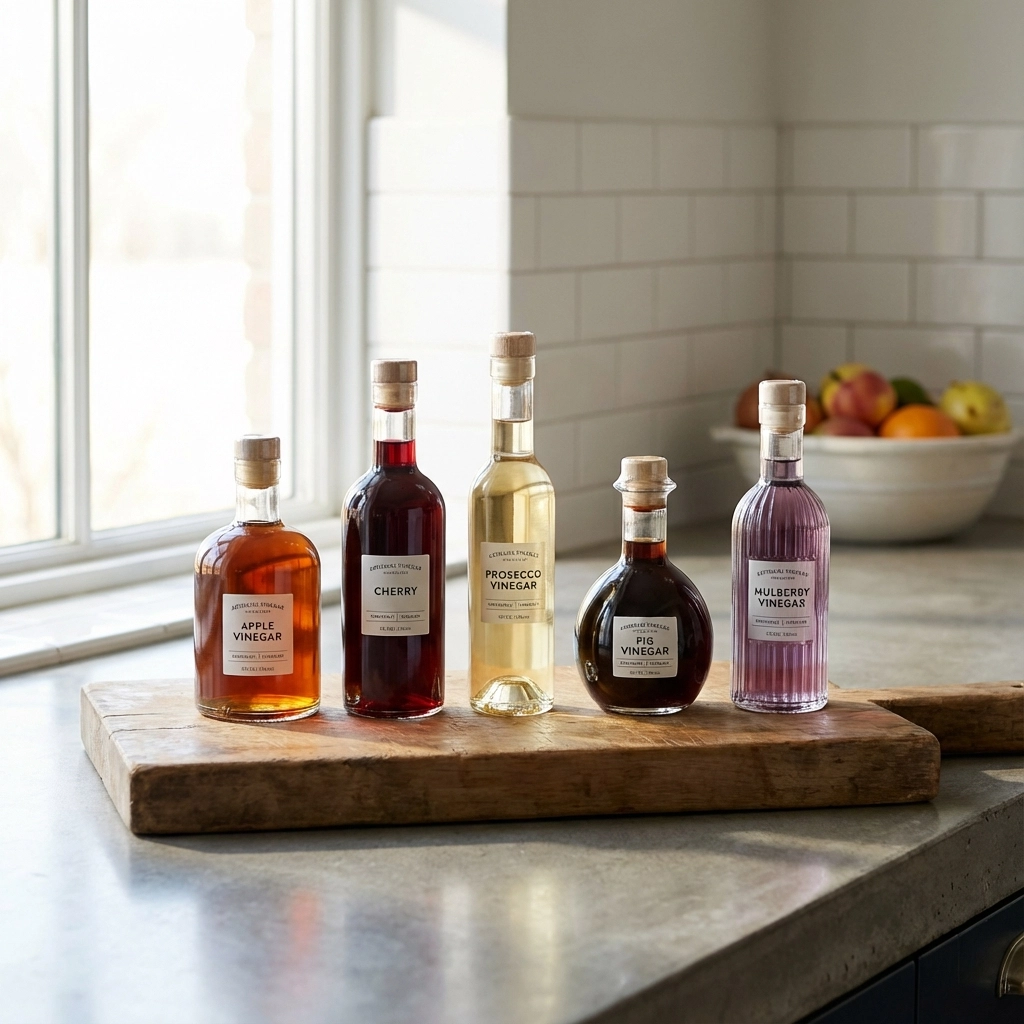
1. Aged Apple Vinegar from Modena
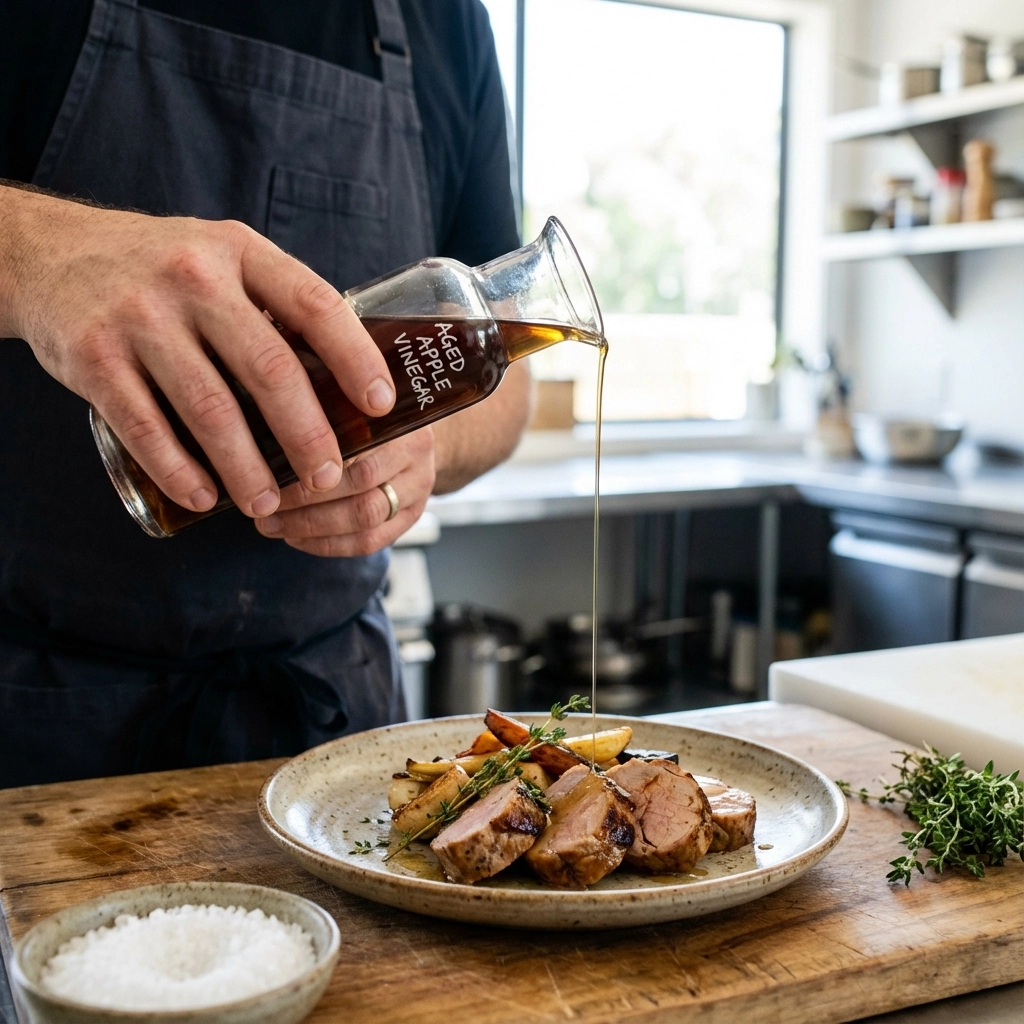
Northern Italian apple vinegars, particularly those from established producers like De Nigris, offer commercial kitchens a reliable foundation for multiple applications. These vinegars deliver authentic apple flavor that actually tastes like the fruit: a crucial distinction for restaurants building signature dishes around recognizable flavor profiles.
Commercial Applications:
- Poultry marinades and glazes
- Fall seasonal menu items
- Pork preparations and charcuterie boards
- Salad dressings for autumn-inspired dishes
- Reduction sauces for roasted vegetables
The versatility of aged apple vinegar makes it particularly valuable for establishments changing seasonal menus, as it pairs naturally with both savory proteins and sweet applications like dessert components.
2. Morello Cherry Vinegar
This wine-forward vinegar from producers like Stratta provides commercial kitchens with exceptional depth and complexity. The natural tartness of Morello cherries creates a sophisticated flavor base that works across multiple cuisine types, from Mediterranean to contemporary American.
Menu Integration Strategies:
- Vinaigrettes paired with pistachio oil for premium salads
- Marinades for duck, lamb, and game meats
- Finishing touches for grilled vegetables
- Base for house-made barbecue sauces
- Cocktail shrubs and beverage applications
Professional chefs report that Morello cherry vinegar's intensity means smaller quantities achieve desired flavor impact, making it cost-effective for high-volume operations while maintaining consistency across service periods.
3. Prosecco Vinegar
De Nigris Prosecco vinegar brings effervescent qualities to commercial preparations, particularly valuable for establishments focused on fresh, contemporary presentations. Its subtle sweetness and light character make it ideal for delicate applications where traditional vinegars might overpower other ingredients.
Optimal Commercial Uses:
- Stone fruit salads and seasonal produce presentations
- Seafood marinades and ceviches
- Light vinaigrettes for lunch service
- Finishing element for crudo preparations
- Base for house-made flavored oils
The refined nature of Prosecco vinegar positions it perfectly for upscale establishments where ingredient quality directly impacts menu pricing and customer perception.
4. Fig Balsamic Vinegar
Rich, complex fig balsamic vinegars deliver concentrated sweetness and viscosity that enhance both savory preparations and unexpected dessert applications. This variety works particularly well for reduction-based glazes and applications where both flavor intensity and visual presentation matter.
Commercial Kitchen Applications:
- Glazes for roasted meats and vegetables
- Cheese board accompaniments
- Pizza drizzles and flatbread finishes
- Ice cream and dessert plate presentations
- Charcuterie and antipasto preparations
The natural sugars in fig balsamic reduce beautifully, creating glossy finishes that photograph well for social media marketing: an increasingly important consideration for restaurant success.
5. Mulberry Vinegar
Artisanal mulberry vinegar offers commercial operators a distinctive ingredient that sets their preparations apart from competitors. Its delicate, slightly floral character elevates simple vinaigrettes without overwhelming other flavors, making it valuable for establishments positioning themselves as ingredient-forward.
Strategic Menu Applications:
- Signature house salads and seasonal greens
- Delicate fish preparations
- Vegetarian and vegan menu items
- Specialty cocktail programs
- Upscale catering presentations
The rarity of mulberry vinegar allows restaurants to create truly unique menu items that justify premium pricing while appealing to customers seeking novel culinary experiences.
Commercial Sourcing and Storage Considerations
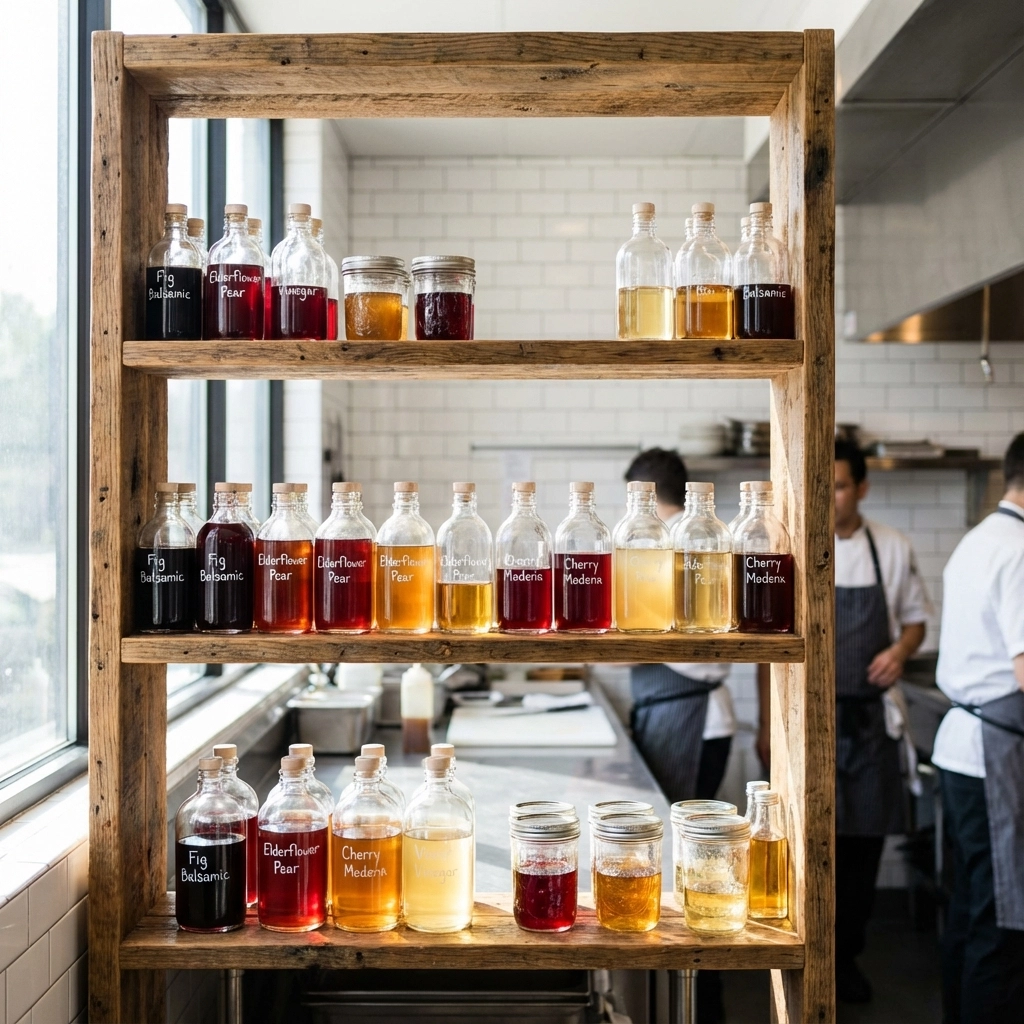
Professional procurement of fruit vinegars requires understanding acidity stability, shelf life, and supplier reliability. Established brands ensure batch consistency: critical for maintaining recipe standards across multiple service periods. French producers like Huilerie Beaujolais and Italian houses like De Nigris provide the reliability commercial operations demand.
Storage Best Practices:
- Maintain temperatures between 50-70°F
- Avoid direct sunlight and heat sources
- Use within 18-24 months for optimal flavor
- Store in original containers to prevent oxidation
- Implement rotation systems for multiple bottle inventory
Cost Analysis and Menu Pricing Strategy
Premium fruit vinegars typically cost 3-4 times more than standard vinegars, but their concentrated flavors mean usage rates of 30-50% less per portion. This efficiency, combined with the ability to command higher menu prices for premium ingredients, creates favorable economics for commercial operations.
A typical restaurant using 2 ounces of standard vinegar per salad can achieve equivalent flavor impact with 1.2 ounces of premium fruit vinegar. When factoring in the ability to increase menu prices by $2-3 per dish featuring premium ingredients, the return on investment becomes compelling.
Integration with Clean Label Initiatives
As consumers increasingly demand transparency in ingredients, fruit vinegars align perfectly with clean label initiatives. These products typically contain only fruit and acetic acid, meeting the simplicity consumers expect while providing the complex flavors chefs need.
The sustainable ingredients aspect appeals to environmentally conscious diners, particularly when sourced from producers emphasizing traditional methods and local fruit sourcing. This positioning allows restaurants to market both taste and values alignment, strengthening customer relationships.
Quality Control and Consistency
Commercial success with fruit vinegars depends on consistent application and quality control. Standardized recipes, portion control, and staff training ensure that premium ingredients deliver consistent results across all service periods.
Implementation Strategies:
- Develop standardized recipes with precise measurements
- Train kitchen staff on proper storage and handling
- Create tasting protocols for quality verification
- Establish supplier relationships for consistent sourcing
- Document applications for menu consistency
Maximizing ROI Through Strategic Applications
The best fruit vinegars for commercial kitchens are those that provide maximum versatility while justifying their premium cost through enhanced menu positioning. By focusing on applications that highlight each vinegar's unique characteristics, restaurants can create signature items that differentiate their offerings while maintaining profitable operations.
Smart commercial operators view premium fruit vinegars not as expensive ingredients, but as affordable luxury elements that elevate entire menu sections. When properly implemented, these five fruit vinegars become powerful tools for building customer loyalty, justifying premium pricing, and establishing culinary reputation in competitive markets.
The investment in quality fruit vinegars represents a strategic decision that impacts both immediate food costs and long-term brand positioning. For commercial kitchens committed to ingredient excellence, these five varieties provide the foundation for menu innovation that drives both customer satisfaction and profitable growth.