The Ultimate Guide to Fruit Vinegars: 10 Ways to Boost Your Menu (Without Breaking the Bank)
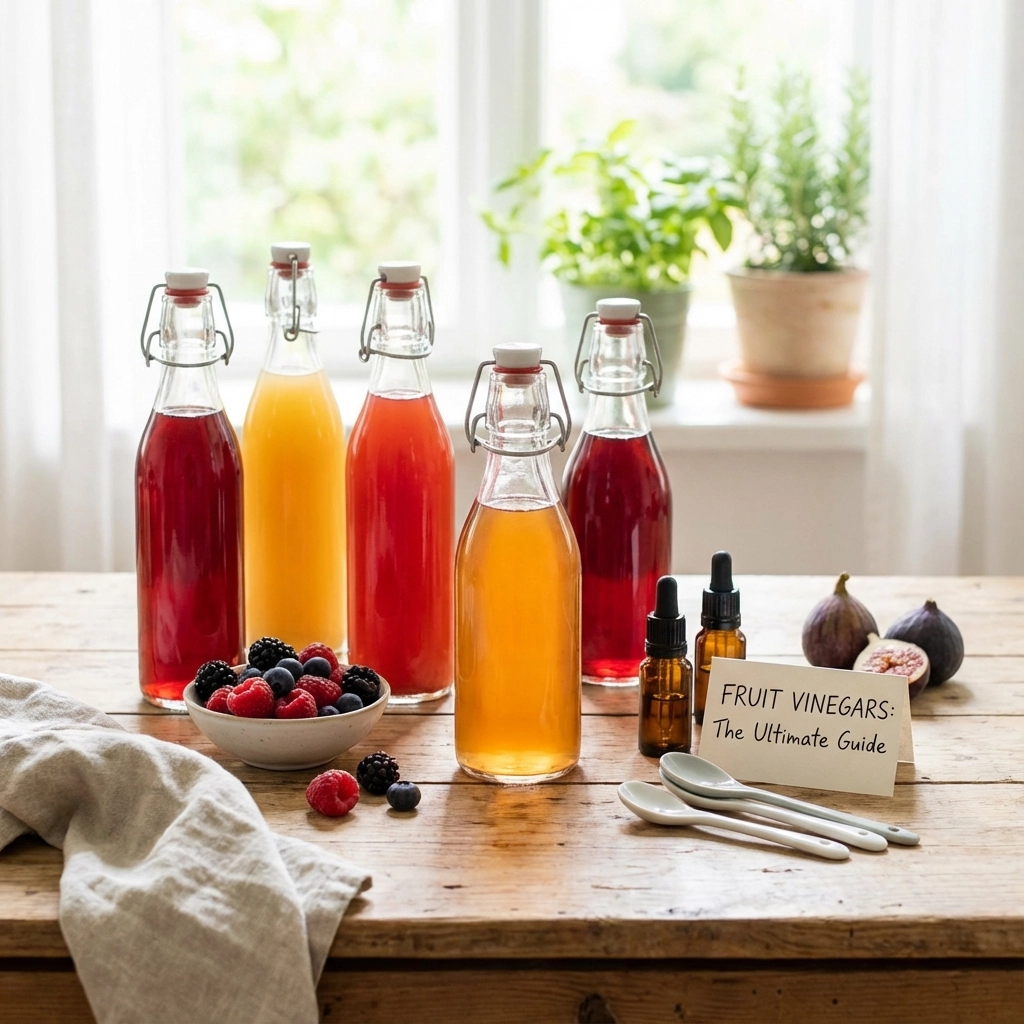
The foodservice industry wastes over $162 billion annually on food costs, yet 73% of restaurant operators report they're actively seeking ways to differentiate their menus without major capital investment. Enter fruit vinegars: one of the most underutilized natural food ingredients for foodservice that delivers premium flavor impact at a fraction of traditional specialty ingredient costs.
As clean label ingredients continue dominating consumer preferences, with 87% of diners actively seeking restaurants that use recognizable, natural ingredients, fruit vinegars represent a strategic opportunity. These sustainable ingredients offer complex flavor profiles that transform ordinary dishes into memorable experiences while maintaining the transparency today's customers demand.
Why Smart Operators Are Adding Fruit Vinegars to Their Arsenal
Commercial kitchens are discovering what high-end establishments have known for years: fruit vinegars deliver disproportionate menu impact relative to their cost. Unlike expensive specialty oils or imported ingredients, fruit vinegars provide:
- Flavor multiplication: One ingredient enhances multiple menu categories
- Inventory efficiency: Long shelf life reduces waste
- Versatile applications: Works across appetizers, entrees, desserts, and beverages
- Customer appeal: Meets clean label and natural ingredient expectations
The best fruit vinegars for commercial use typically include apple cider, raspberry, balsamic-style fruit blends, and citrus varieties: each offering distinct flavor profiles that complement different menu categories.
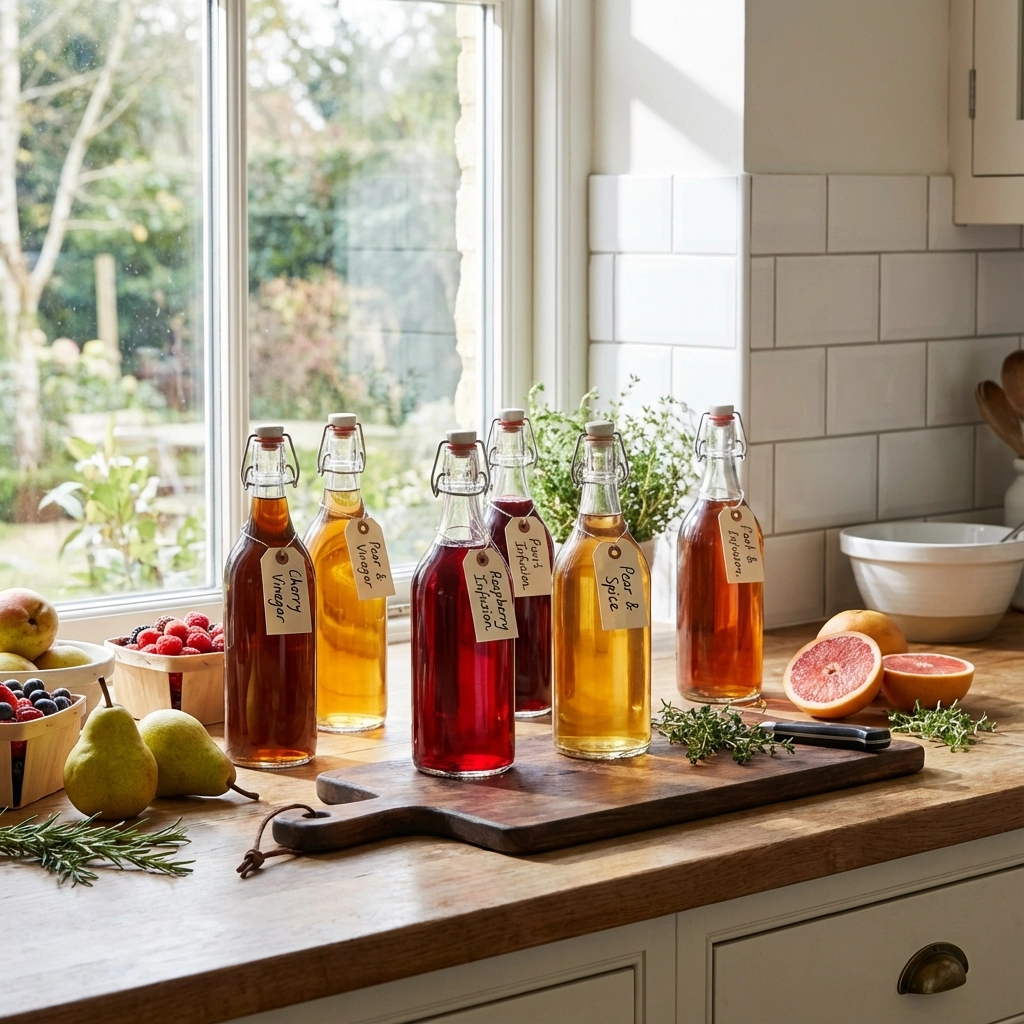
10 Strategic Ways to Boost Your Menu with Fruit Vinegars
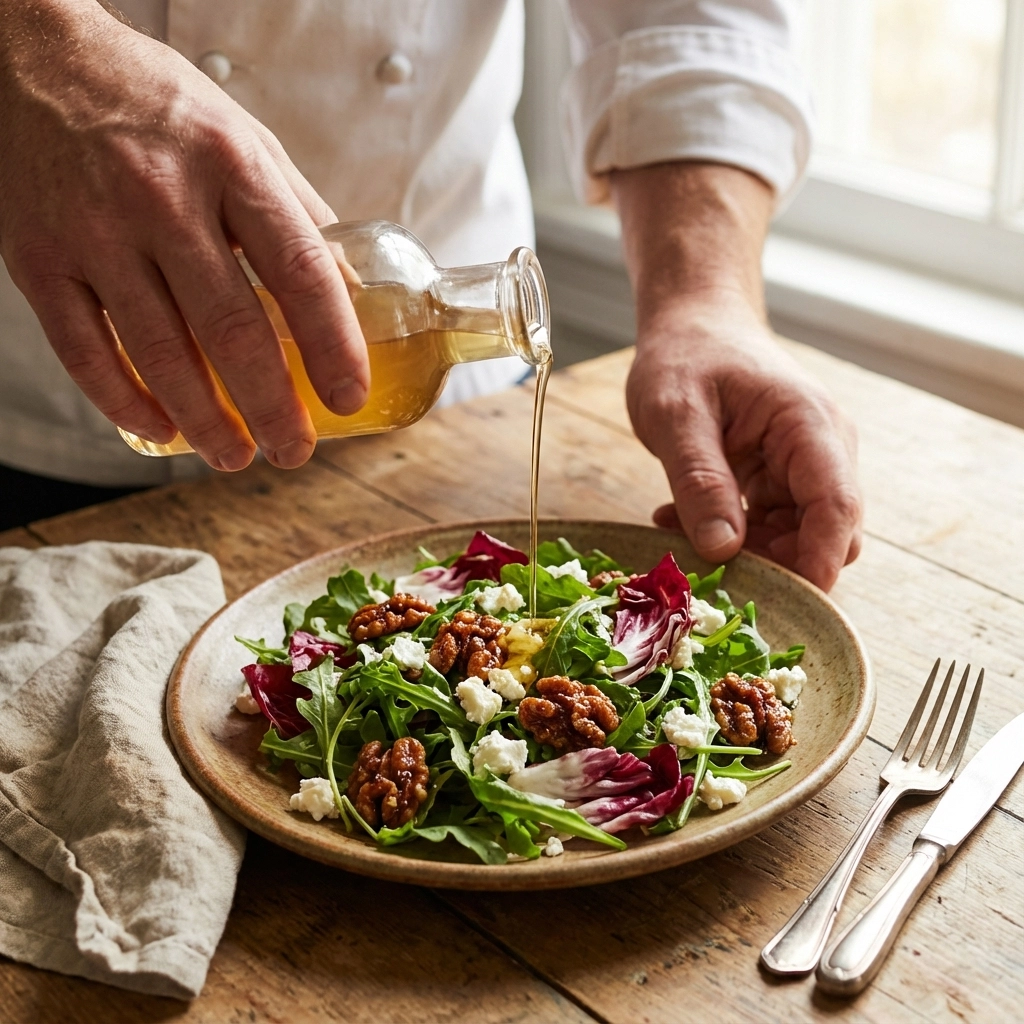
1. Signature Salad Dressings That Command Premium Pricing
Transform basic vinaigrettes into signature offerings. A simple pear-ginger vinaigrette using 3 tablespoons olive oil, 3 tablespoons pear vinegar, 1 tablespoon apple cider vinegar, and 1 teaspoon Dijon mustard creates a restaurant-quality dressing for under $0.75 per serving. Compare this to purchasing premium bottled dressings at $3-5 per bottle, and the ROI becomes immediately apparent.
Pro tip: Batch these dressings during prep time and store in squeeze bottles for consistent portioning and presentation.
2. Elevated Marinades for Protein Differentiation
Fruit vinegars naturally tenderize proteins while adding complex flavor layers. A raspberry vinegar marinade transforms standard chicken breast into a premium menu item without increasing protein costs. The natural acidity breaks down tough fibers while infusing deep, nuanced flavors that customers notice and remember.
For high-volume operations, create marinade bases using fruit vinegars that can be customized for different proteins throughout the week.
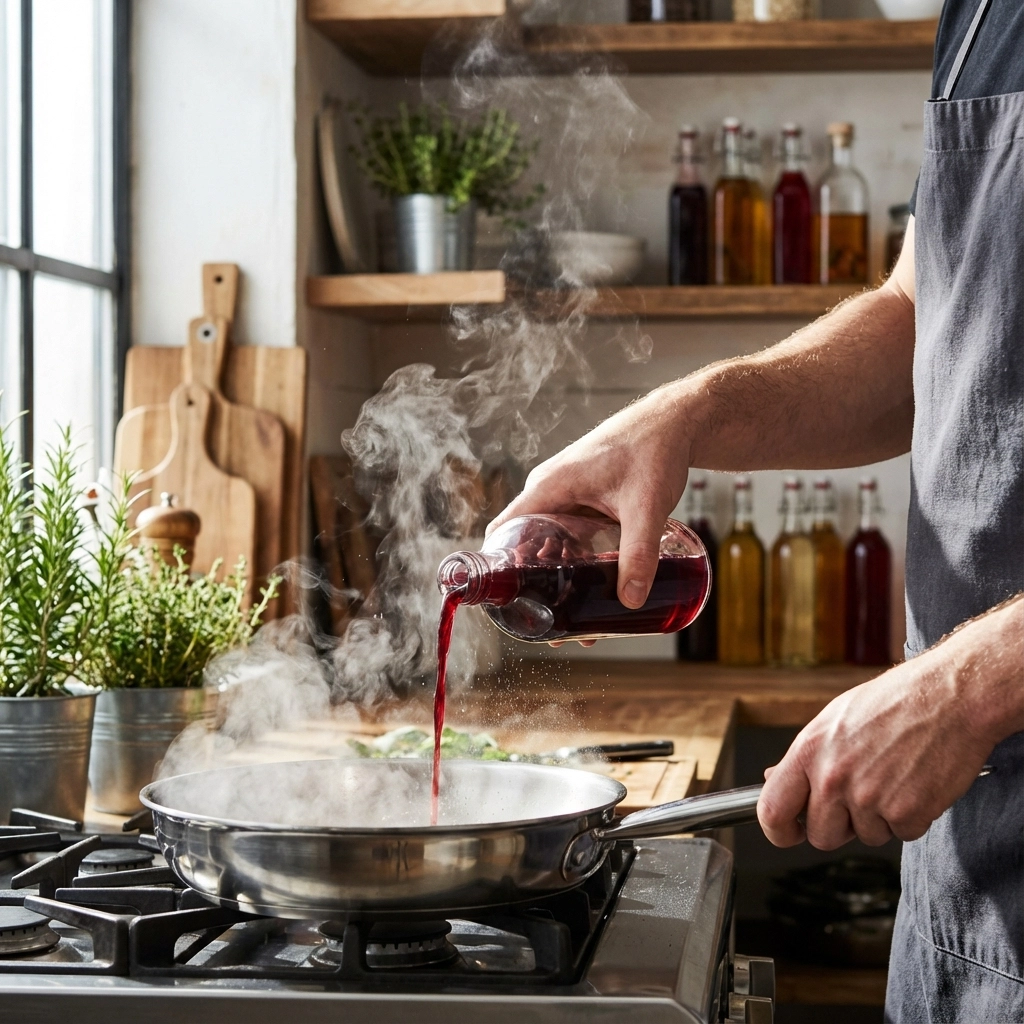
3. Pan Deglazing for Restaurant-Quality Sauces
Professional kitchens leverage fruit vinegars to create impressive pan sauces with minimal effort. After searing proteins, deglaze the pan with fruit vinegar, add stock or cream, and reduce. This technique produces sauces that typically require expensive wine reductions or specialty ingredients.
Cost analysis: Restaurant wine for cooking costs $8-12 per bottle. Quality fruit vinegar delivers similar flavor complexity at $4-6 per bottle while offering longer shelf life and greater versatility.
4. Artisanal Dips and Spreads
Create signature appetizer offerings by combining fruit vinegars with standard ingredients. A blackberry vinegar fruit dip requires just 1 cup plain yogurt, 3 tablespoons honey, and 3 tablespoons blackberry vinegar: total cost under $2.00, sells for $6-8 as an appetizer.
These applications work particularly well for catering operations where unique offerings command premium pricing.
5. Craft Cocktail and Mocktail Enhancement
Beverage programs benefit significantly from fruit vinegar integration. Pineapple vinegar adds tropical complexity to cocktails, while apple cider vinegar creates unique mocktails that appeal to health-conscious consumers. This addresses the growing demand for sophisticated non-alcoholic options without investing in expensive specialty syrups or mixers.
6. Dessert Course Differentiation
Incorporate fruit vinegars into dessert applications for unexpected flavor contrasts. Raspberry vinegar over vanilla panna cotta, or balsamic-style fruit vinegar drizzled over fresh berries and mascarpone, creates memorable dessert experiences using existing inventory.
Menu engineering insight: Desserts with unique elements typically achieve 25-30% higher profit margins than standard offerings.
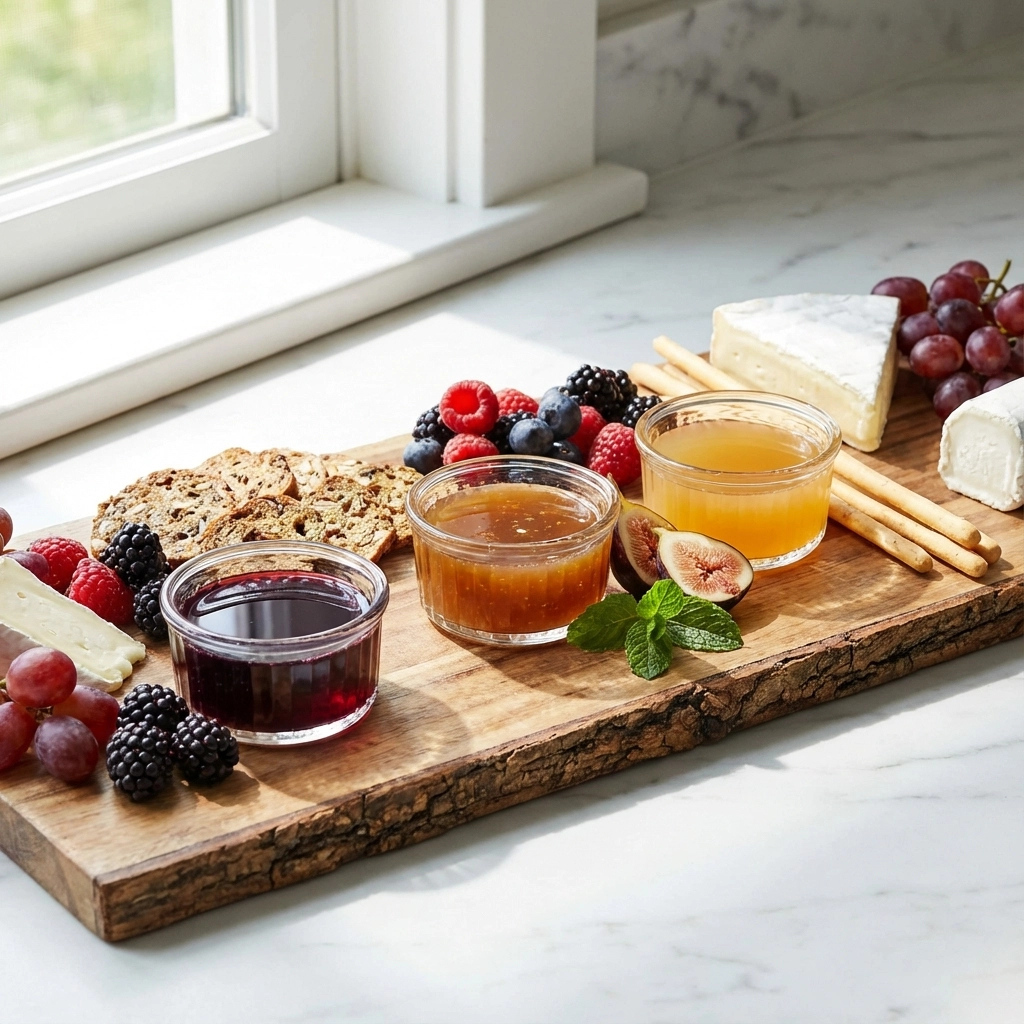
7. Cheese and Charcuterie Board Elevation
Simple applications often yield the highest returns. Drizzling fruit vinegars over soft cheeses transforms standard cheese boards into artisanal offerings. A small ramekin of fig vinegar alongside brie requires minimal investment but significantly enhances perceived value.
8. Fresh and Stewed Fruit Enhancement
Revitalize fruit offerings by incorporating complementary fruit vinegars. This technique works particularly well for breakfast and brunch operations where fruit accompaniments are standard. Apple cider vinegar over stewed apples, or berry vinegar with fresh fruit salads, adds complexity without additional ingredient costs.
9. Seafood and Grilled Preparation Finishing
Citrus-based fruit vinegars provide bright finishing touches for grilled proteins and seafood preparations. This application works especially well for casual dining establishments focusing on fresh, light preparations. The clean acidity enhances natural flavors rather than masking them.
10. Bread Service and Table Accompaniments
Perhaps the most cost-effective application: serve fruit vinegars as bread dipping accompaniments. This transforms standard bread service into a memorable start to the dining experience while requiring minimal investment: typically under $0.25 per table.
Strategic Sourcing Considerations for Commercial Operations
When selecting fruit vinegars for commercial use, prioritize suppliers who understand foodservice requirements. Look for:
- Consistent quality: Batch-to-batch reliability for menu consistency
- Proper packaging: Commercial-sized containers that reduce per-unit costs
- Supply chain reliability: Vendors who maintain inventory for uninterrupted service
- Technical support: Suppliers who provide application guidance and menu development assistance
As a bulk cooking oil supplier and provider of natural food ingredients for foodservice, we understand the importance of ingredient reliability in commercial operations. Our fruit vinegar selections emphasize sustainable ingredients sourced through transparent supply chains, meeting the clean label requirements your customers increasingly demand.
Implementation Strategy for Maximum ROI
Successful fruit vinegar integration requires strategic planning:
Week 1-2: Introduce fruit vinegars in existing applications (salad dressings, marinades) to gauge customer response while training staff on proper usage and storage.
Week 3-4: Expand to signature applications (specialty sauces, cocktail program) where fruit vinegars create differentiation opportunities.
Month 2: Develop seasonal offerings that showcase fruit vinegar versatility while managing inventory efficiently.
Ongoing: Monitor customer feedback and sales data to optimize offerings and identify expansion opportunities.
Cost-Benefit Analysis for Commercial Implementation
Initial investment in quality fruit vinegars typically ranges from $200-400 for a diverse selection suitable for medium-sized operations. Expected ROI includes:
- Menu differentiation without major recipe reformulation
- Increased profit margins on enhanced dishes
- Customer retention through unique flavor experiences
- Staff efficiency through versatile ingredients that serve multiple applications
The applications outlined above demonstrate how strategic use of best fruit vinegars creates menu enhancement opportunities that align with current consumer preferences for clean label, sustainable ingredients while maintaining operational efficiency.
For foodservice operators ready to explore fruit vinegar integration, partnering with suppliers who understand commercial kitchen requirements ensures successful implementation. Whether you're developing signature dressings, enhancing protein preparations, or creating unique beverage offerings, fruit vinegars represent one of the most cost-effective menu enhancement strategies available to today's operators.
Ready to explore how fruit vinegars can enhance your menu offerings? Contact World of Brio to discuss sourcing options that align with your operational requirements and customer expectations.