White Wine Vinegar vs Red Wine Vinegar: 5 Flavor Differences That Will Change Your Menu
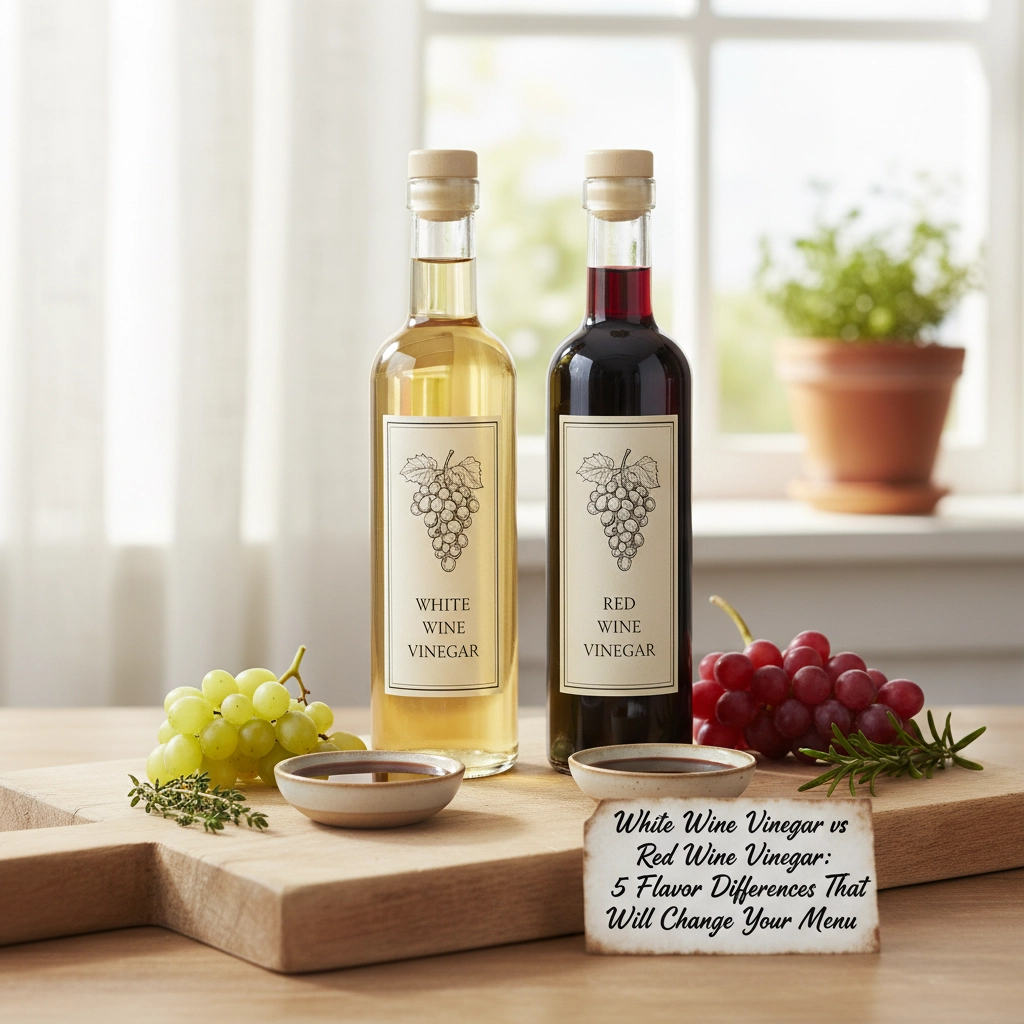
Walk into any professional kitchen, and you'll find both white and red wine vinegar on the shelf. But here's what most food service operators don't realize: these two ingredients are fundamentally different flavor tools that can make or break your menu items. According to recent industry data, over 85% of restaurants use vinegar incorrectly, missing out on flavor optimization that could elevate their dishes and reduce food costs.
The difference isn't just cosmetic. These vinegars are produced from entirely different wine bases, creating distinct flavor profiles that impact everything from salad dressings to braised meats. Understanding these differences isn't just culinary knowledge: it's a competitive advantage that separates amateur kitchens from professional operations.
The Science Behind the Split
Before diving into the flavor differences, it's crucial to understand the production process. Red wine vinegar starts with red grape varieties like Cabernet Sauvignon or Merlot, while white wine vinegar begins with white grapes such as Chardonnay or Pinot Grigio. The fermentation process preserves many of the original wine characteristics, which explains why these vinegars behave so differently in your recipes.
This isn't theoretical: it's practical kitchen science that affects your bottom line. The wrong vinegar choice can overpower delicate proteins, clash with existing flavors, or fail to provide the acid balance your dish needs.
Flavor Difference #1: Intensity and Robustness
Red wine vinegar delivers bold, robust flavor that stands on its own, while white wine vinegar offers subtle acidity that complements without overwhelming. This is the most fundamental difference affecting your menu planning.
In practical terms, red wine vinegar can anchor a vinaigrette independently. You can build an entire flavor profile around its intensity. White wine vinegar, however, works as a supporting player: adding brightness and balance without demanding attention.
Menu Impact: If you're featuring delicate fish preparations or light vegetables, white wine vinegar won't compete with your primary ingredients. Red wine vinegar suits hearty applications like grilled meats or robust grain salads where you need the acid to cut through richness.
Flavor Difference #2: Sweetness Profile and Balance
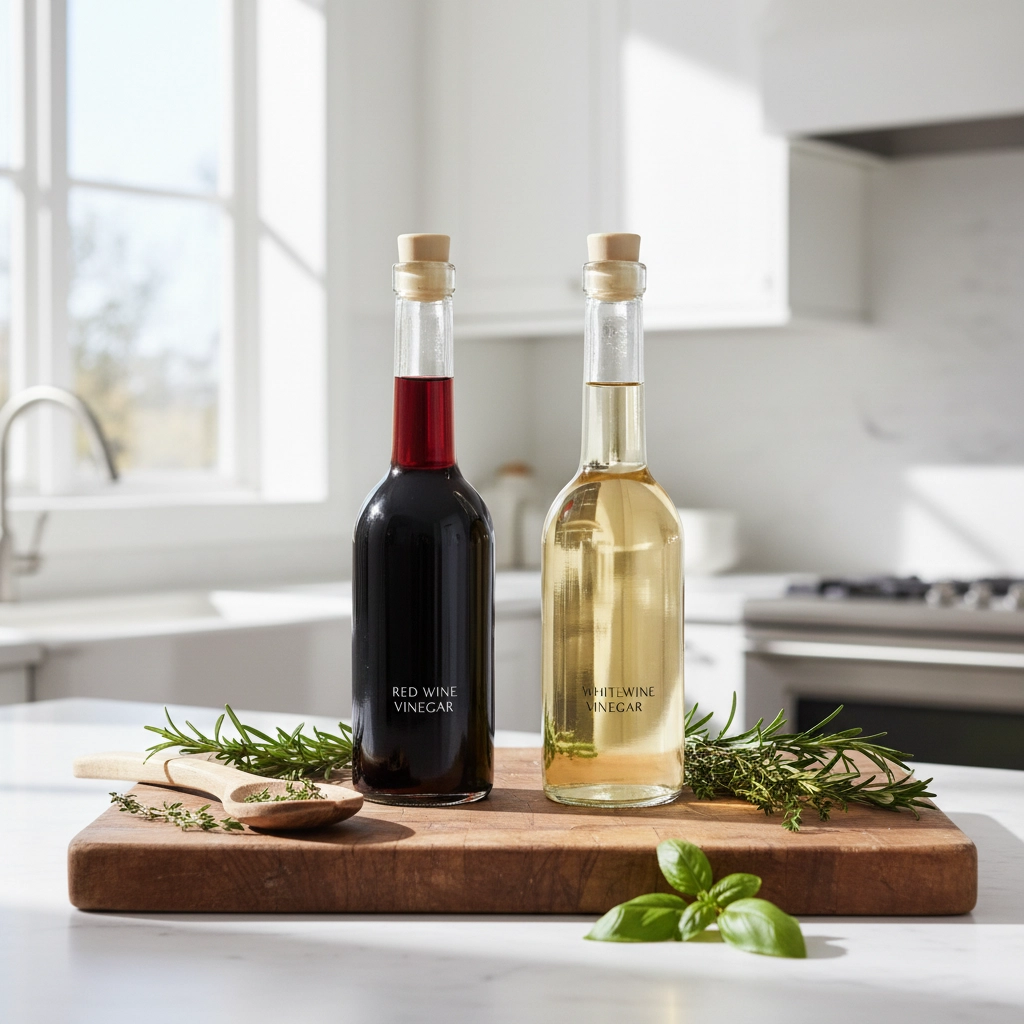
Here's where many kitchens go wrong: red wine vinegar carries a subtle sweetness balanced with savory notes, while white wine vinegar trends more tart and sharp, depending on the base wine used.
This sweetness difference is crucial for sauce construction. Red wine vinegar's natural sweetness means you can reduce added sugars in marinades and glazes. It's particularly effective in Mediterranean-style preparations where that wine-derived sweetness enhances rather than competes with ingredients like tomatoes and herbs.
White wine vinegar's tartness makes it ideal for applications where you need clean acid: think hollandaise, béarnaise, or classic French vinaigrettes where sweetness would muddy the flavor profile.
Professional Tip: Test your base wine's sweetness level. Vinegar made from sweeter reds like Chianti will produce different results than vinegar from dry Cabernet Sauvignon.
Flavor Difference #3: Fruity and Aromatic Complexity
Red wine vinegar bursts with fragrance notes of grapes, berries, and sometimes chocolate, creating layered complexity that translates directly to finished dishes. White wine vinegar offers lighter, citrus-forward notes that provide clean, bright aromatics.
This aromatic difference impacts both cooking applications and customer perception. Red wine vinegar's complex fruit notes make it excellent for reductions and braising liquids where those flavors concentrate and deepen. The berry and grape characteristics complement red meats naturally, creating flavor harmony rather than contrast.
White wine vinegar's citrus-forward profile makes it perfect for seafood preparations, summer salads, and anywhere you'd typically reach for lemon juice but want more staying power and less aggressive acidity.
Flavor Difference #4: Acidity Level and Palate Impact
White wine vinegar is significantly softer and less acidic than red wine vinegar. This isn't just a taste preference: it's a functional difference that affects cooking chemistry and flavor balance.
Lower acidity means white wine vinegar can be used more liberally without overwhelming dishes. It's why French cuisine relies heavily on white wine vinegar for classical preparations: you can achieve the desired acid balance without the harsh bite that red wine vinegar might contribute.
Red wine vinegar's higher acidity makes it excellent for pickling, marinading tougher proteins, and cutting through fat-heavy dishes. That sharper acid punch is exactly what you need when balancing rich, heavy flavors.
Cost Consideration: Understanding acidity levels helps with portion control. You'll use less red wine vinegar to achieve the same acid impact, potentially reducing ingredient costs while improving flavor balance.
Flavor Difference #5: Overall Aromatic Character
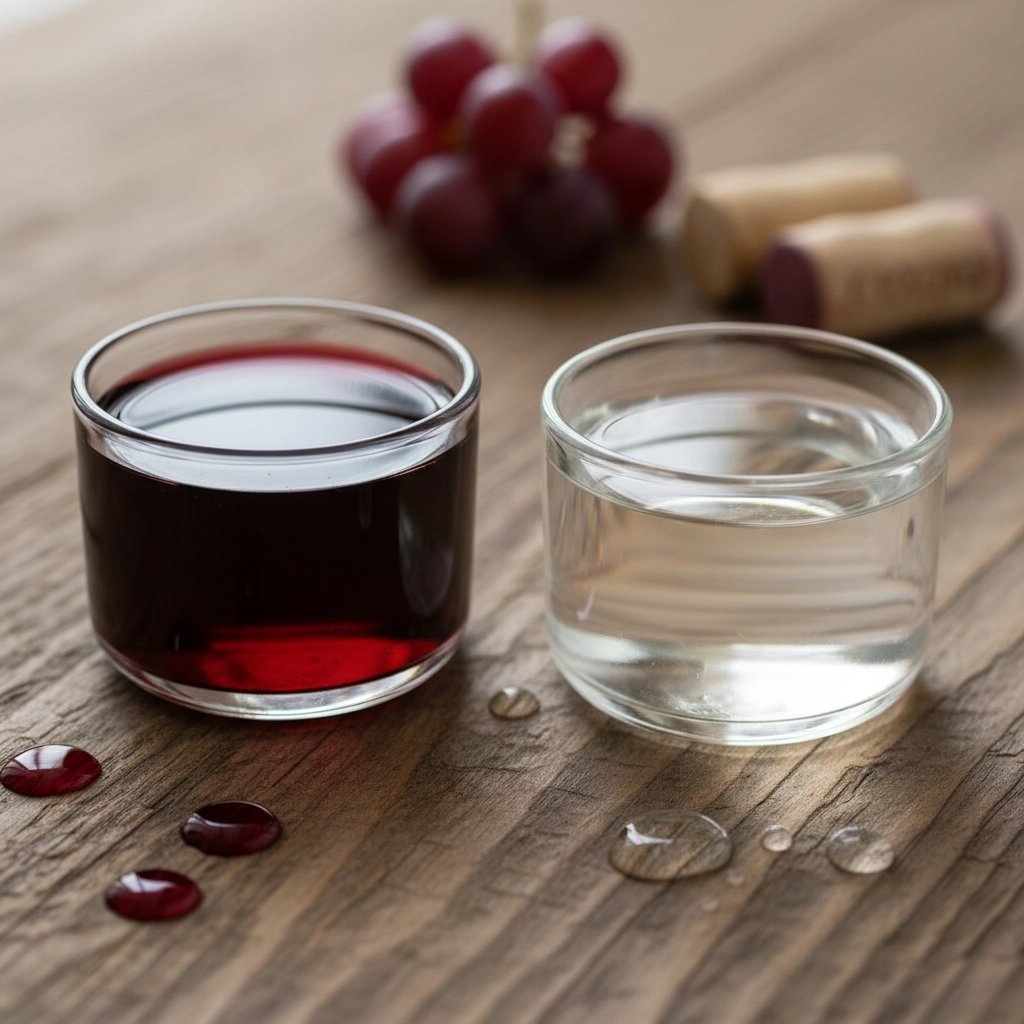
Red wine vinegar presents richer, heavier fragrance that signals complexity and depth, while white wine vinegar offers cleaner, sharper aromatics that suggest freshness and brightness.
This aromatic difference influences customer perception before they even taste your food. Red wine vinegar in a warm grain salad or reduction sauce creates an expectation of heartiness and sophistication. White wine vinegar in a seafood preparation signals freshness and delicate preparation.
The aromatics also affect kitchen workflow. Red wine vinegar's stronger scent can dominate prep areas, while white wine vinegar's cleaner profile won't interfere with other ingredients during mise en place.
Strategic Menu Applications
Understanding these five flavor differences translates into strategic menu decisions that can differentiate your operation and optimize food costs.
Red Wine Vinegar Dominates When:
- Building marinades for red meats and game
- Creating glazes for grilled vegetables
- Developing warm grain salads and hearty sides
- Constructing reductions and pan sauces
- Balancing rich, fat-forward preparations
White Wine Vinegar Excels When:
- Preparing delicate seafood and poultry
- Creating classical French sauces and emulsions
- Developing light, summer-focused preparations
- Pickling without color staining
- Building vinaigrettes for delicate greens
The World of Brio Perspective
At World of Brio, we've seen too many food service operations treat vinegars as interchangeable commodities. Quality vinegar is a precision tool, not a generic ingredient. The restaurants we work with that understand these flavor differences consistently deliver better dishes and see improved customer satisfaction scores.
We source our vinegars from producers who understand that base wine quality directly impacts final product performance. When you're building menu items that depend on specific flavor profiles, ingredient consistency becomes non-negotiable.
Our recommendation: Audit your current vinegar usage. Most operations can improve dish quality and potentially reduce costs by using the right vinegar for each application rather than defaulting to whatever's convenient.
Implementation Strategy
Start with your highest-volume applications. If you're using red wine vinegar in delicate seafood preparations or white wine vinegar in hearty meat marinades, you're likely working against your intended flavors rather than enhancing them.
Test small batches of your core recipes using the appropriate vinegar type. Document the differences in flavor balance, customer feedback, and portion usage. The results typically justify the minor operational changes required to optimize vinegar selection.
Remember: professional cooking is about precision and intention. Understanding these five flavor differences gives you the tools to make deliberate choices that elevate your menu rather than accepting generic results.
The vinegar sitting on your shelf isn't just an ingredient: it's a flavor tool that can transform ordinary preparations into memorable dishes. Use it strategically, and watch how these small changes create significant improvements in your kitchen's output.